The Pilgrimage That Has No Distance: Observing Ashadhi Ekadashi in American Life
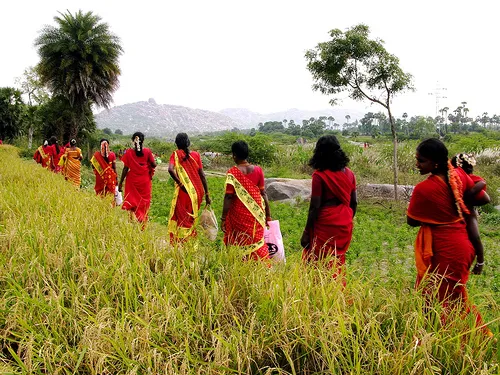
Photo: Palagret from Paris, France, CC BY-SA 2.0, via Wikimedia Commons
Every year in the height of the Indian monsoon, a river of people flows toward Pandharpur in Maharashtra. They walk for weeks — farmers and professors, children and elders — carrying the palkhis of saints and singing the poetry of Tukaram and Namdev. Their destination is the darshan of Vitthal on Ashadhi Ekadashi, the eleventh day of the waxing moon in the month of Ashadha (June or July by the Western calendar).
For the growing Vitthal bhakt community in the United States, this pilgrimage can feel impossibly distant. Yet the Warkari tradition itself insists that the true journey is internal. Distance, in bhakti, is a matter of the heart. Here is how American devotees can enter that journey meaningfully, whether in a New Jersey apartment or on a trail outside Seattle.
Understanding What the Wari Actually Is
The Wari (from vari, meaning a regular pilgrimage) is not a single event but a living institution, over seven centuries old. Two great palkhis — that of Sant Dnyaneshwar from Alandi and Sant Tukaram from Dehu — walk roughly 250 kilometers to Pandharpur over about twenty days. Along the route, villages receive the pilgrims with food, shelter, and song. The pilgrims, called warkaris, walk in dindis (small groups), chanting and performing bhajan continuously.
Ashadhi Ekadashi, also known as Devshayani Ekadashi, marks the day Lord Vishnu is said to enter a four-month cosmic slumber. At Pandharpur, it is the year's most auspicious day for Vitthal darshan, drawing an estimated million pilgrims.
Keeping the Vrat at Home
Ekadashi observance traditionally includes fasting, and American devotees can adapt it in graded ways:
- Full fast: No grains or beans; water, milk, and fruit only. Many follow a phalahar (fruit diet) pattern that is manageable around a workday.
- Partial observance: One sattvic, grain-free meal — often foods like sabudana khichdi, sweet potato, or buckwheat flour preparations, all easily sourced at Indian groceries in cities like Edison, Naperville, or Sunnyvale.
- Intentional abstinence: For those unable to fast for health reasons, giving up a beloved comfort — coffee, social media, sweets — as a deliberate offering.
The Warkari emphasis has always been less on austerity and more on bhajan — continuous remembrance through song. Pair your fast with an hour of abhang singing or listening, and the day acquires its proper shape.
Virtual Darshan and Digital Participation
Technology has quietly transformed diaspora devotion. The Vitthal Rukmini Mandir Sansthan offers live-streamed darshan and aarti from Pandharpur, and on Ashadhi Ekadashi the stream becomes a shared global event. Many US temples — from the Bharatiya Temple in metro Detroit to Balaji Mandirs across the South — hold special Ekadashi programs with abhang recitations and aarti timed to the Pandharpur broadcast.
Set an alarm for the morning aarti, light a ghee lamp at home, and watch the stream while singing the same abhangs being sung on the temple steps. Thousands of diaspora families now do exactly this, and the sense of simultaneity is genuinely moving.
Walking Your Own Wari
Perhaps the most authentic American adaptation is the local walking pilgrimage. In recent years, small warkari-style groups have organized day-long or weekend padyatras in the US:
- New Jersey and the Northeast: Groups have walked segments of the D&R Canal towpath, singing abhangs between rest stops.
- The Bay Area: Trails in regional parks like Rancho San Antonio have hosted morning walks culminating in communal bhajan.
- Chicago and Atlanta: Temple-organized processions around temple grounds or nearby greenways, often on the Sunday nearest Ekadashi.
Starting one is simpler than it sounds: choose a route of three to ten miles, recruit families through temple WhatsApp groups, prepare a shared songbook of ten or fifteen abhangs, arrange a car for water and first aid, and end with a potluck mahaprasad. The Warkari tradition is famously democratic — no priest, no fee, no hierarchy. A walking dindi needs only people willing to sing while they walk.
A Day, and Then a Practice
Ashadhi Ekadashi can be a single observance or an entry point. Many who begin with one Ekadashi find themselves drawn to the weekly rhythm, the abhang repertoire, the slow accumulation of a practice that has sustained warkaris for generations. Vitthal, the tradition says, waits in Pandharpur — but also wherever a devotee stands and sings.